
Your healing journey has begun—here’s what to know next.
You’ve taken a brave step toward healing.
We’re honored to walk this journey with you.
Ketamine treatment involves administering low doses of ketamine—either through IV infusion or nasal spray (like Spravato)—to relieve symptoms of depression, anxiety, PTSD, chronic pain, and more.
Ketamine acts on glutamate and blocks NMDA receptors in the brain, promoting neuroplasticity (the brain’s ability to form new connections). This can help “reset” overactive pain and mood circuits, offering fast symptom relief.
Depression
Anxiety disorders
PTSD
Chronic pain (e.g., fibromyalgia, CRPS, migraines)
Some people feel improvement within hours to days, especially in mood and suicidal thoughts. Others may see gradual improvement over multiple sessions.
Depending on the clinic and condition, ketamine can be given as:
IV infusions (most common for depression and pain)
Nasal spray (Spravato) – FDA-approved for depression
A typical course for mood conditions includes 6 infusions over 2–3 weeks, followed by booster sessions as needed. Chronic pain protocols may involve longer or more intensive sessions.
When given in a controlled clinical setting, yes. It’s safe and well-tolerated for most people. Side effects are usually temporary and mild, but you’re closely monitored during and after each session.
Common side effects:
Dissociation (feeling detached or “floaty”)
Dizziness or nausea
Increased blood pressure or heart rate
Mild confusion or blurred vision (short-term)
At low, medically supervised doses used in clinical settings, ketamine is not considered addictive. Recreational misuse is different—your treatment is carefully monitored to avoid dependency risks.
Yes. You may feel relaxed, spacey, or detached—but you remain conscious and aware. Many people describe it as a meditative or dreamlike experience.
Most insurance does not cover IV ketamine for mental health, though Spravato (esketamine nasal spray) is often covered if you meet the criteria. Some pain-related treatments may qualify for partial reimbursement.
No—you’ll need someone to drive you home. You shouldn’t drive or operate heavy machinery for the rest of the day.
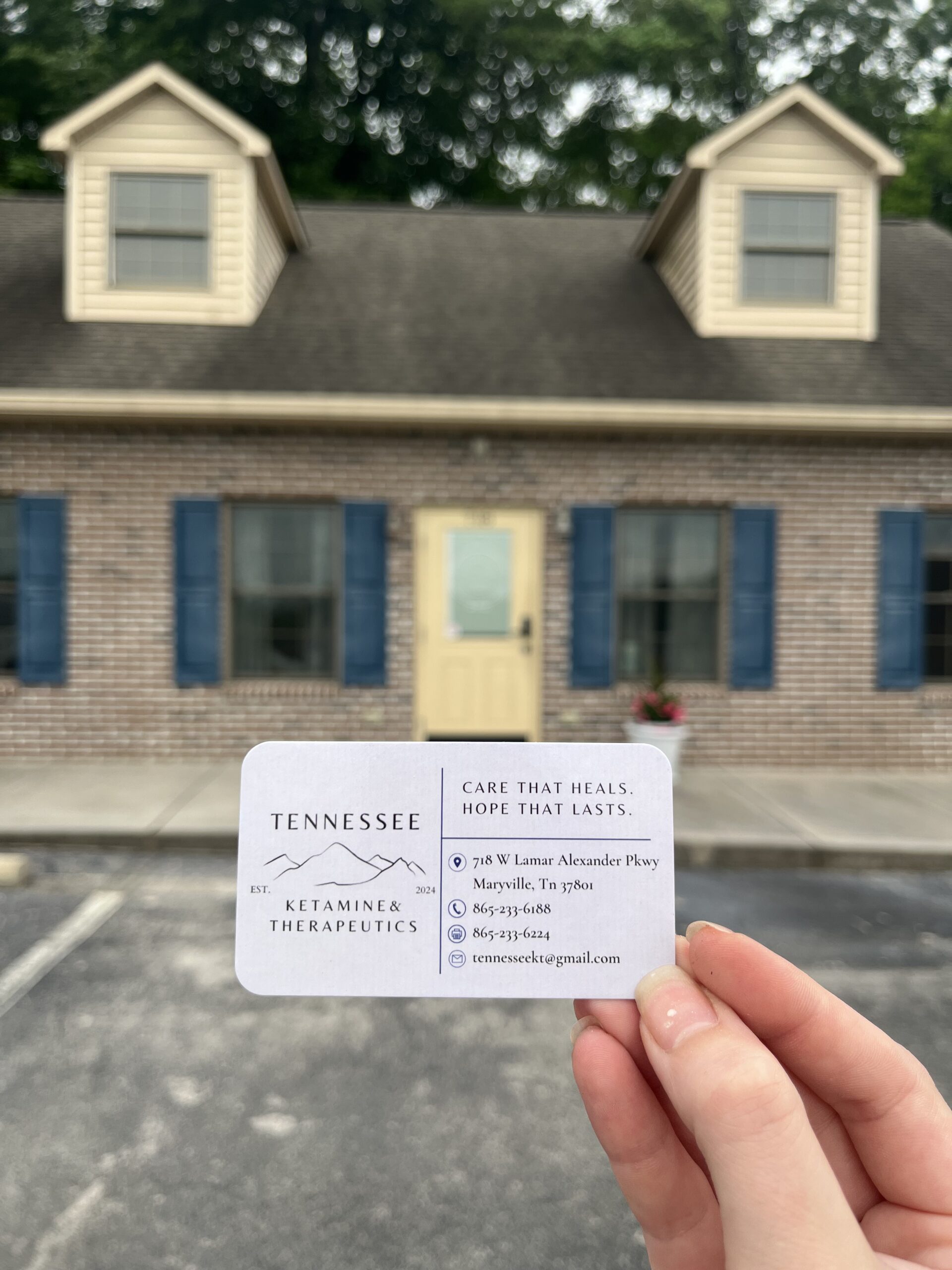
718 W Lamar Alexander Pkwy Maryville Tn 37801
Call or Visit Us with any questions you have about our services.
If you are interested in scheduling a consultation,
please reach out to our office at 865.233.6188,
or visit the consultation page below.
© 2025 Copyright Tennessee Ketamine & Therapeutics
